The composer of The Buddy Holly Story and Child’s Play discusses professional recognition, the demands of Hollywood and his continuing work in independent cinema.
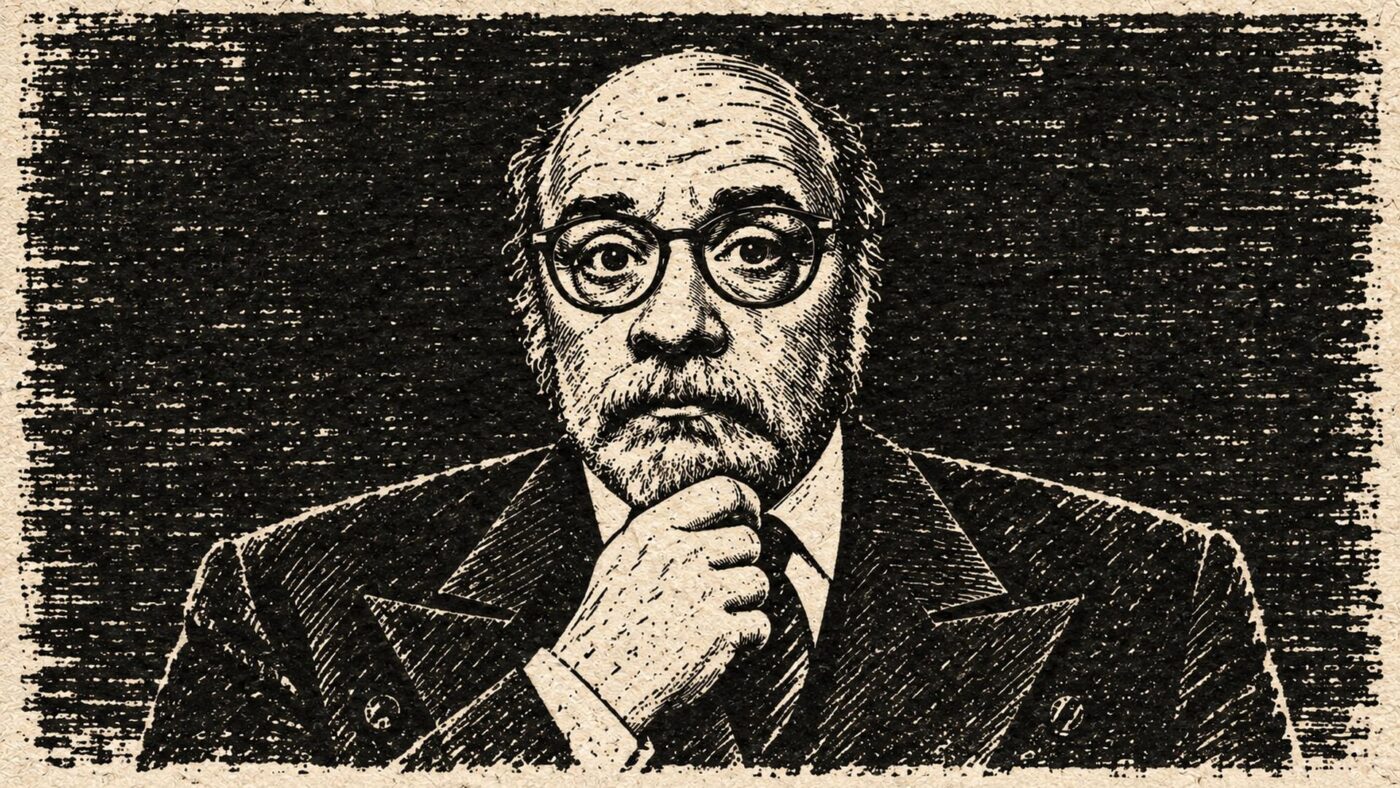
Mr Joseph Renzetti, whose work on The Buddy Holly Story brought him the Academy Award for Best Adaptation Score in 1979, is the subject of a recent conversation on Lawrie Brewster Interviews. Our discussion considers the course of a career extending from the recording studios of Philadelphia to Hollywood and, in later years, to independent filmmaking.
To many readers, Mr Renzetti will be particularly familiar as the composer of Child’s Play, Dead & Buried and Poltergeist III. Those credits form part of a substantial musical life in which popular recordings, film scores and enduring professional friendships have each played their part.
The occasion offered an opportunity to examine a question that may seem remote from the daily concerns of the independent filmmaker: what happens when an artist receives one of the highest distinctions his profession can bestow? An Academy Award is an exceptional honour. It does not, as Mr Renzetti’s account makes clear, settle every difficulty that follows it.
From Philadelphia to Hollywood
Before his work in cinema, Mr Renzetti was a guitarist at Cameo-Parkway Records in Philadelphia. He subsequently arranged recordings including Bobby Hebb’s “Sunny” and Barry Manilow’s “Mandy”, developing his career through New York and eventually Los Angeles.
His account places considerable importance upon the experience and relationships accumulated during those years. Professional advancement emerges from work undertaken, confidence earned and acquaintances who become collaborators. The celebrated opportunity is seldom an event entirely separate from the less conspicuous labour preceding it.
I found this part of our conversation especially valuable for its practical character. Mr Renzetti offers an account of success grounded in the habits of a working musician. He describes the effort involved and the circumstances through which one engagement could lead to another. For an artist seeking to establish himself, such recollections may be more instructive than the familiar mythology of a sudden discovery.
Recognition and its consequences
In 1979, Mr Renzetti went on stage to receive his Oscar from Dean Martin and Raquel Welch. The distinction recognised his contribution to The Buddy Holly Story, released the previous year.
The award brought further opportunities, but it also introduced new expectations and assumptions. His subsequent experience supplies a useful qualification to the belief that professional recognition necessarily brings professional security. The work continued amid an industry whose judgements and allegiances could be changeable.
There followed Under the Rainbow, the 1981 comedy for which his music received a Razzie nomination for Worst Musical Score. The contrast between the two forms of recognition is striking, although neither, by itself, can provide an adequate account of a musician’s achievement.
Mr Renzetti speaks with candour about his disillusionment with the filmmaking scene in Los Angeles. He makes no attempt to present every difficult period as a disguised triumph. That willingness to discuss disappointment gives the conversation particular value for those now attempting to establish a career in film.
His interest in making music endured. He eventually returned to Pennsylvania, where he continues to work amid a local artistic community. His recollections suggest the importance of finding circumstances in which an artist can sustain both his work and his enjoyment of it.
Continuing in independent cinema
Alongside his better-known horror scores, Mr Renzetti’s work includes Frankenhooker and the Basket Case sequels. His more recent independent credits include Dead Before They Wake.
There is practical instruction throughout the interview, together with a broader perspective acquired over decades of collaboration with prominent figures in music and cinema. For the independent filmmaker, the interest lies in hearing how a working artist has understood the demands of his profession across changing circumstances.
Questions of persistence and artistic companionship also arose in our interview with Aaron Truss concerning Employee of the Dead. Though the careers differ considerably, both conversations consider the personal commitments which enable creative work to continue.
I should also welcome an opportunity for the British Horror Studio to collaborate with Mr Renzetti. The possibility is raised during our conversation. It remains a prospect I would be pleased to pursue.
The complete interview runs for a little over an hour. Readers with an interest in composition, horror cinema or the practical conduct of an artistic career will find much to consider in Mr Renzetti’s observations.


Watch the full Joseph Renzetti interview on YouTube.
Further reading
The Chronicle’s account of Joel Haver and filmmaking beyond permission considers another route towards an independent career. Our sister publication, Amicus Horror, examines Megan Tremethick, training and theatrical craft.
About Lawrie Brewster
Mr Lawrie Brewster is a producer and director working in independent horror cinema. He leads the British Horror Studio, serves as President of Amicus Productions, and oversees the British Horror Studio community.
Watch further conversations on Lawrie Brewster Interviews, or read more articles by Lawrie Brewster on Amicus Horror.